swept away

Arch of Cabo San Lucas

I don’t work in the easiest of places. I often dream that I have a job–well, I wouldn’t even call it a job because it would be so pleasant–working in a spa in Cabo San Lucas in Mexico–pushing the little buttons on the blender at the organic juice bar in the crystal waters of the pool. My own Vitamin D needs amply fulfilled by that luscious warm sun as I dispense my little quinoa pearls of wisdom to my very well-heeled clients. My muscles are toned by long walks on the sandy beaches and I teach mindful eating classes using the freshest and juiciest mangoes just picked from a nearby tree to seduce my students’ senses.
Such imaginings deepen my own diaphragmatic breathing and soften my gaze until that little bubble on the electronic medical record program on my computer informs me that my first or next patient has arrived.

I do not wish to complain. I consider it a privilege to do what I do. I believe I sit in a rather unique position as far as seeing the magnitude of the health crisis that is upon us and the consequences of our communal diet and way of life. So often, when I am following the story about food, diet, weight, etc.–no matter where– it seems either abstract and haughty in that scientific or academic way, or judgmental and blaming. The sensationalized situation becomes very up close and personal and takes on a different hue in my little office–where day after day I receive a fair amount of clients– often in quick succession. Sometimes, I wish I could give the scientists, academics, and critics a peek in.

Most people don’t ever get to see a nutritionist. It is unlikely that you have. It is not like going to the dentist–which is a prescribed semi-annual event (except for the millions who unfortunately don’t have access to dental care) the doctor or the therapist. Perhaps it should be. It would be a lot more fun to come to see me twice a year than the dentist. Access to nutritional services is usually reserved for those with a few types of medical conditions or for those with enough money and energy to fine-tune their bodies.

Interestingly, nutritional services have historically been provided in-house in the Community Health Center where I work, along with some other ancillary services like podiatry, ophthalmology, social work, and dentistry. This multi-service type facility is actually rare in our health care environments. Its purpose is to facilitate access to care for patients–and access indeed they do. My clients do not have cars parked in warm and dry garages that they hop into. Instead, they walk, trudge, take a bus– or two, or call and wait for medical transportation. I am continually shocked that so many arrive at my door to discuss this abstract concept called nutrition. Though any patient is eligible to see me, my schedule is padded with the extreme cases that the doctors are more apt to refer. Extreme becomes a relative concept–and many nutritional concerns are overlooked.

As I navigate the raging waters, the intensity increases imperceptibly at some times and quite obviously at others. Like natural phenomena that are categorized by a numerical rating system–hurricanes, white water, etc.–I think our health issues may require something similar. I wonder if my office chair should indicate what kind of conditions it can endure and if it should come equipped with life jackets. Some of what I encounter has to do with sheer weight but not all of it–though I rarely have a day without clients over 300 lbs.

Off the top of my head, let me see if I can briefly describe somewhat what cast upon my shore just within the last two weeks. The 19- year-old male–366 lbs; a 29-year-old woman, 5’2–378 lbs; a 35-year-old male with extremely elevated cholesterol levels; a 7-year-old boy with compromised growth due to ADD medications; a 13-year-old boy with gastric reflux; a 28-year-old male with a blood pressure of 160/110; and, a 23-year-old male-390 lbs who barely leaves his home. This is a very tiny sampling. It excludes the middle-aged diabetics and hypertensives, pregnant teenagers, and folks with mental health and substance abuse issues whom I see regularly.

Then, there was the 15-year-old girl with triglyceride levels of 442 (which I would have not believed except that she had a prior lab with a similar result)–when normal is less than 150. She entered my office at 3 PM with her parents. When I asked her what she had eaten that day, she told me a bottle of Mountain Dew, a granola bar and a Snapple Iced Tea. She had bought all of this just before her appointment. She had not gone to school that day. She had already finished the soda and the granola bar–showing me the wrapper. Her dad was holding the iced tea that they were still sharing. Within six minutes of our acquaintance she informed me in no uncertain terms, that no matter what I may say, she was going to have Burger King on Friday. The mother challenged me on why I was asking her about shopping and cooking. This was near the end of an already very long day–my late day. It took me about fourteen minutes to discover that this child drinks close to twelve cans of soda on many days. Diets high in sugar are a cause of high triglyceride levels. Though I was grabbing onto my chair, and despite the fact that finally the mom smiled at me–it was too late. I capsized.

Though this family seriously challenged my inner buddha, for the most part, I find my clients present themselves authentically– and that their eating behaviors and nutritional problems are consequences of many various conditions that they did not know how to or did not have the resources to control. Like most of us, they are living the hand they were dealt and eating the food that they can access and afford. They are generally unaware as to what could go so terribly wrong. Despite my sympathies, I still feel like a shipwreck survivor. Some serious stuff is going down and people are hurting.

However, the universe works in mysterious ways. Exactly one week after my encounter with the girl with the dangerous triglyceride levels, another family presented–this time a mom, dad, and their twelve-year-old son. This family had recently awakened to their capacity to make better food choices. They joyfully filled my tiny space and shared the amazing changes they had made. They described how they felt, how their bodies had responded and the new foods they were eating. The boy was pleasant and confidently told me that he no longer drinks soda. He plays some sports for fun, loves to move and is in a dance troupe with some friends. They have made some videos on youtube. As they spoke, I crawled onto the dock, shifted the lever on my chair to the lounge position and laid back to bask in the afternoon sun. There was nothing for me to do but listen and affirm. Now, this I can do.

Please drop or throw me a line!

Thank you for listening, sharing, following and supporting my writing. Please subscribe in the sidebar to receive notice of new posts. Comments and greetings always welcome.

In health, Elyn

russia-704019_1280

Grandpa’s My Plate image by falco/pixabay


My Plate Buddhist Saying

Drink tea and nourish life

With the first sip, joy; with the second sip, satisfaction; with the third sip, peace;

With the fourth, a Danish.

by Jewish Grandpa

faur faur away

Recently, I read about someone who was working on an environmental project in the Maldives. After a day of difficult fieldwork, the writer said the group enjoyed kicking back by relaxing on a boat and enjoying a snack of faur. Ah yes, faur, that local favorite made from betel leaves, cloves, and nuts.

Now, of course, we here–here being the US of A–do snack on some natural foods like fruits and nuts. But in thinking about the Maldivians floating in those beautiful turquoise waters of the Indian Ocean, and about other cultures as well, I got to wondering, what would be our native snack if one day all of the giant snack food manufacturers just got so sick of themselves they just fell down belly up.

What soothed and satisfied us before a certain Mr. Herman W. Lay began hawking his wares? Around here, I suppose we had products made of maple syrup like maple cream which is yummy; and, had apples and pumpkins made into pies–and beef made into jerky. And, what about the potato chip? A nice tuber scrubbed clean of its earthen sod, sliced thinly and cooked to a crisp in a pot of oil. Could that not count as native fare?

Legend has it that the potato was first chipped by a Native American chef quite close to where I live. I could bike to that sacred ground–or walk there in pilgrimage if really gastronomically inspired. The story goes that George Crum, annoyed by a customer’s complaint about the dinner potatoes being cut too thick, responded with a plate of very thinly sliced, translucent, barely-there taters. The rest is history.

It turns out that the first product Mr. Lay began to sell was the potato chip–about sixty years after that restaurant mishap. So, one could argue that the potato chip–along with the corn chip–were indigenous snacks until they were co-opted by Frito-Lay. They may, in fact, have originally had some nutritional benefits as might faur– though my brief research suggests that betel leaves are not without their own significant set of problems when consumed in excess.

Somehow, with the mass introduction of packaged snack foods, we began to seriously stray from our more nut, seed, and fruit-eating behaviors. While families in Afghanistan still relax–if they can–with pistachio nuts and dried apricots, things here have never been the same since the arrival of  Bugles. I remember seeing my first bag of Bugles at my childhood friend Susan’s house. Once trumpeted onto the communal palate it seemed there was no turning back. I suppose the same could be said for all of our modern snacks including the once seemingly indomitable Twinkie which is eighty years old already.

Surprisingly, I don’t encounter the Twinkie much on my nutritional beat. It is either so ubiquitous that it doesn’t register on my radar screen or it does not command valuable prime shelf placement anymore. And, amid the thousands of diet recalls I demand from my clients, I hardly ever hear mention of them. Little Debbies seem the more popular portable snack cake these days. Now that I think about it, the Twinkie despite its iconic reputation is rather tame and boring in comparison to more obscene or more seductively marketed snack newbies. I guess this explains why it may be on the smush-ing block–and not because it has 37 artificial ingredients.

However, it is the chemically-laden nature of most of our snack foods that have granted them predominance and permanence in our lives. If you doubt this issue of purposeful manipulation by the food and flavoring industry, take a look at this 60 Minutes segment, or, at this dissection of a Twinkie by Fooducate.

But, getting back to my original query, if just say, Bugles, Twinkies and all the other thousands of products that dominate the snack manufacturing world were suddenly to go extinct, what would we do? What could we reach for that would be grown from our regional environments and get the nutritional seal of approval? Could a chomp on some Eastern White Pine needles substitute for pretzel sticks? They are an excellent source of Vitamin C and can be made into a tea as well. Would we dig our teeth into some bark which was actually a food source for the native tribe for which the glorious Adirondacks that tower nearby was named? Adirondack literally means bark eater for the sustaining dietary practice the tribe was known for.

It turns out my musing about what we are munching on is not without some precedent. Recently, I was so glad to reconnect with a college friend, Roxanne, who was in my nutrition program. Even way back then, I knew she was a wise woman. Now, she works with a company called, Real Wild Foods, Inc. As part of the wild foods movement, the company promotes the preservation, tasting, and enjoyment of North American indigenous foods and is dedicated to sustainable harvesting methods. The assortment of these micro-nutrient rich foods include preserves, jellies, syrups, mushrooms, teas, vegetables and vinegar made from some familiar and many unfamiliar but common vegetation. It presents possibilities in how we could be deliciously nourishing ourselves with nature’s natural snack foods.

Neither is it without some prescience. I have just seen some writings of Mayan elder, Carlos Barrios, a ceremonial priest and spiritual guide who is learned in the interpretation of the Mayan calendar. In his clarification of the 2012 prophecy, he states it portends a time of transformation rather than an end of the world– and that we need to be prepared for this by focusing on acts of unity. Amid his recitation of a few required actions, I was a bit surprised to see him advise, “Eat wisely–a lot of food is corrupt in either subtle or gross ways. Pay attention to what you are taking into your body.”

Sounds wise to me. Sometimes I wonder if just like peak oil will we reach peak adulterated food which will necessitate that we find our way back to what the native Hawaiians call Aloha ‘Aina—the love of the land that feeds us.”

In health, Elyn

Related Post:  The Twinkie Affair

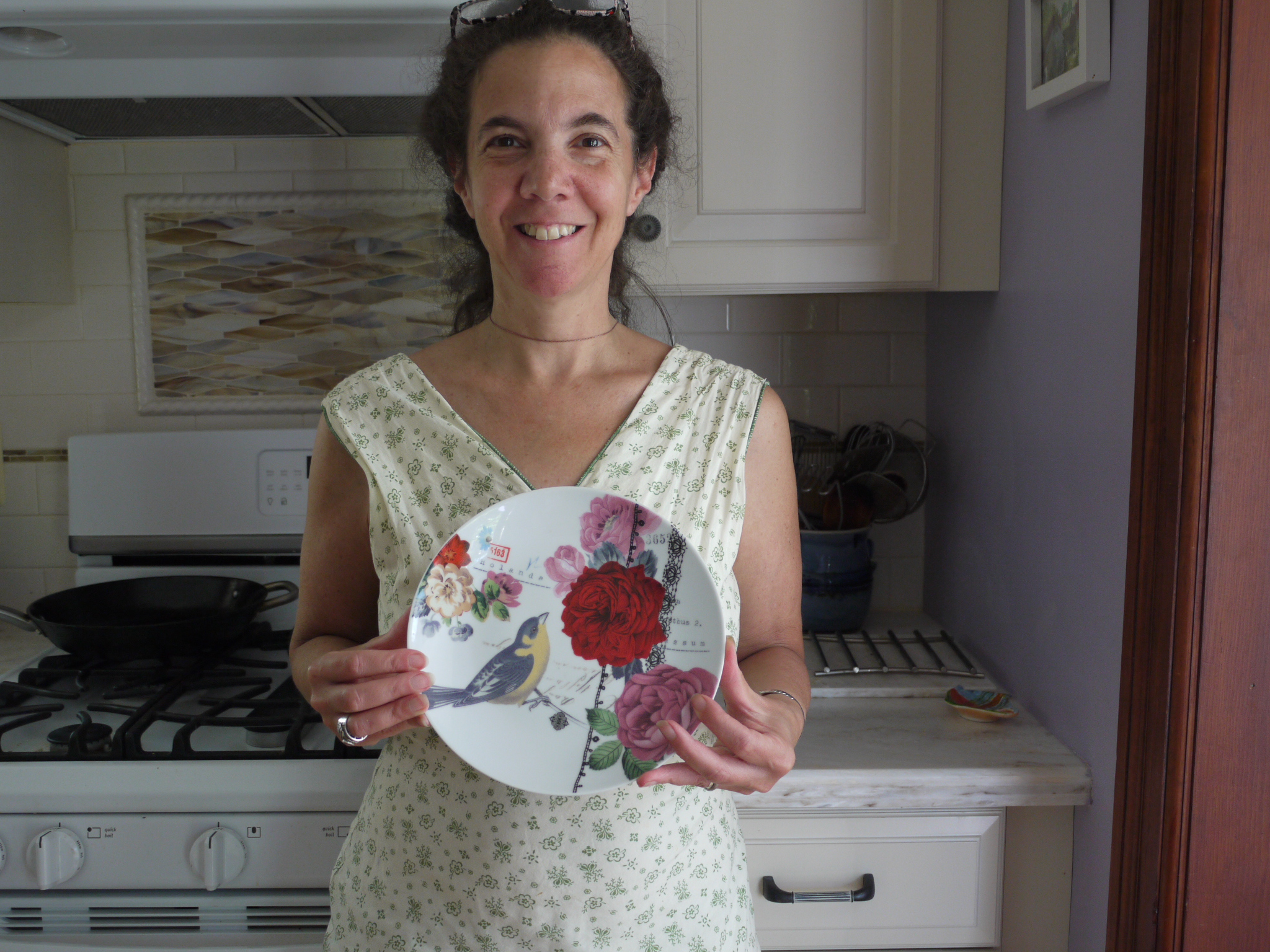
      MyPlate Plate

         My Plate Haiku                                                                                           

          Lagoon Watercress                                                                           

          Peppers my tongue                                                                               

         With spring joy.   By Roxanne

Update: November 12, 2012:  Faur Faur Away Liquidated

With the story in today’s news of Hostess Brands threatening liquidation of its company and the future of the 500 million Twinkies that are baked–I mean manufactured–each year at stake, I refer again to this post about our snack food lives. I wrote this in January 2012 when Hostess filed in bankruptcy court for Chapter 11 protection. On the surface, the story is about labor costs, unions, workers’ rights, and the economy, but mixed into the batter are issues about our health care costs (once again) and changes in American food consciousness and its effects on the industry and the economy. However, it still remains to be seen if Ding Dong, the Twinkie is truly dead. I dare to say I doubt it, but still, Carlos Barrios’ interpretations of the 2012 Mayan prophesies deserve heeding as the calendar is shortly set to begin its next cycle.

Comments:

Beautiful article about the interpretation of the Mayan calendar. –Anne Marie

Popcorn! as simple, native, and easy as can be–and a whole grain! –Lisa Nicholson                                            Dear Lisa, Oh, yes. Absolutely. –The Nutritionist’s Dilemma

Perhaps for Thanksgiving, we should experience at least one dish which features bark or pine needles. That could not have been fun. I like “smushing block”. –Peter S. Glassman
“Smushing block” is funny, isn’t it? Love you. –The Nutritionist’s Dilemma

 IMG_3282 (1)


The Twinkie Affair

Today, I was about to sit and write about a little train of thought that had been following me around this week. I thought I had some more serious things I wanted to discuss, including returning to the subject I raised in To She Who Loves Us Before She Meets Us, on the consequences of taking away women’s power in the birthing of babies. But, I figured I would just tap out this other idea first even though I was questioning its relevance, significance, and general cohesiveness.

I had planned on talking about the very interesting work of an old friend of mine, whom I had recently reconnected with. Quite coincidentally, just as I had cleared away my other duties of the day and was gearing up for a mid-afternoon snack to fortify my writing, I got an email from this very friend, asking if I had seen Mark Bittman’s tofu recipe in the NY Times today. She sent me the link.

After returning from snacking, cleaning the cat litter box, emptying the compost and bringing in the spring water, I curled back up on my computer and found myself in the Dining and Wine section of the Wednesday Times. I did not see the tofu recipe but was quickly sucked in by a few other articles.

One was about a spontaneously created cafe in the Hurricane Irene flood-ravaged town of Schoharie, NY. My life was touched by the hurricane so the story of survival in nearby Schoharie is meaningful to me. Miraculously, food prepared and provided by angels from near and far has swirled its way into the town, first amassing under a cluster of trees and then with the coming of winter at a local DAR Hall. These offerings give those whose homes and lives were affected a free lunch and a sense of continued community. Just as spontaneously as this epicenter of nourishment created itself, so did a sign that named the cafe, Loaves and Fishes.

Next, was an amusing piece about a vegetarian New Yorker on assignment in the Midwest–the meat capital of the country; and, also–though still no mention of tofu–a Mark Bittman editorial on the decrease of meat consumption in the past few years. Of course, those would speak to me.

Just as I was about to get back to work, one more thing caught my attention. By the time I hit the publish button tonight, this may already be old news to you, but apparently, Hostess Foods is declaring bankruptcy and the fate of the Twinkie is in serious jeopardy. Before my eyes, I could tell the food world was in a tizzy. The article, musing about a world without Twinkies, actually interviewed a renowned baker and pastry chef who I know from my own little community. That seemed silly. What would he have to say about Twinkies?

English: Hostess Twinkies. Yellow snack cake w...

Image via Wikipedia

But for me? Don’t I have to say something academic, relevant or amusing about the Twinkie affair? And, don’t I have to say it really soon or my writings will be considered as fresh as a stale pastry? Unlike Twinkies, my words do not contain the ingredients that will ensure their shelf life into the next millennium. Instead, they will be moldy by Monday. Well, here it is. You have heard it here probably second, third or fourth. I have no quick or witty assessment of the situation and I will probably defer to those who do. Like to Michael Pollan discussing Twinkies vs. Carrots.

It is a dilemma that stories from the food, nutrition and eating world amass very quickly. My queue of articles that I want to address or reference gets longer and longer every day. Pete saves podcasts for me or reads me articles straight from his Kindle; friends from afar send me links to interesting or absurd articles; radio stories infiltrate my driving commute; my professional networks post really relevant material; and, blogs I follow are deserving of mention. On top of that are the real-life stories that I am privileged to hear from my clients every day. No story is purely personal. There is always a larger cultural context such as explored in this powerful and sensitive NPR story about a woman’s struggle to lose weight. There is much to react to. I cannot keep up.

So, for now, I must continue at my own small-town pace. I thank you for your patience. I’ll get back to the piece that includes my old friend, a Mayan elder– and, actually, now that I think about it, it may have everything to do with Twinkies; back to the mommas–and, as I have promised before–all the menopausal women. Time for dinner.

In Health,  Elyn–A once upon a time Twinkie eater. How about you?

Related Post: Faur, Faur Away

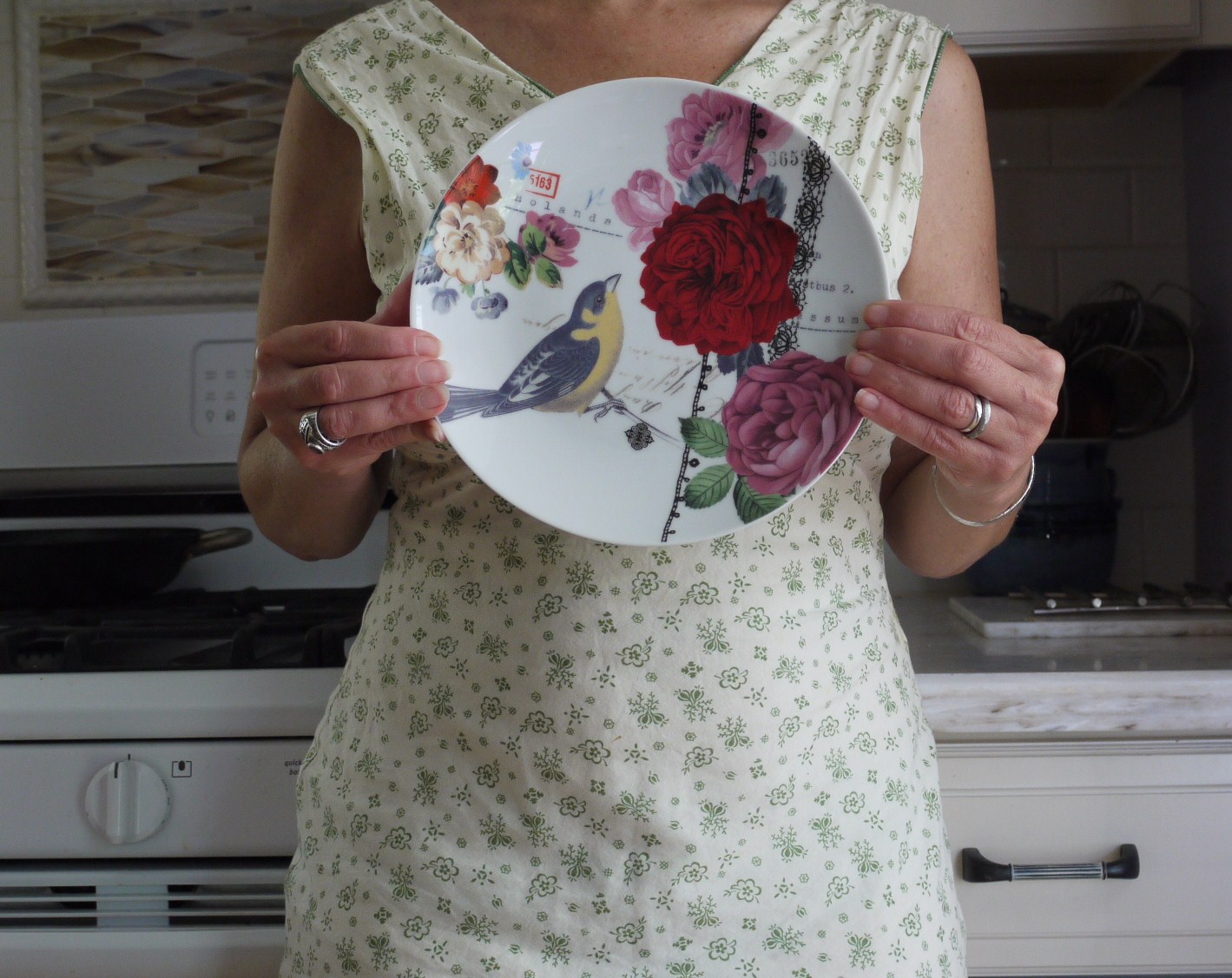
my plate

My Plate Haiku

Spread peanut butter

On whole grain sweet dark bread

Raspberry jam-yum.

by Barb–who is currently doing an Ayurvedic cleanse and dreaming of this.

walt whitman and mark bittman

Pete and I went to New York City last week–or as we nutritionists call it, the Big Apple. It was the day after Christmas and things were really quiet down there on the usually bustling island. Walking from Grand Central Station to the water’s edge below the United Nations we hardly saw a soul.
Hoping to catch the East River Ferry we waited on a deserted dock. Pete loves alternative modes of transportation, so we’d been excited to learn one could now take a commuter ferry across the river to points along the shore of Queens and Brooklyn.

DUMBO Archway

Soon enough, we watched as an adorable little ferry-boat tooled across the river to retrieve us.

On an ordinary weekday, it would have been very crowded, but instead, it was so empty that the ferry boat driver was making small talk with us. I am pretty sure he would have let me steer the boat if I just asked. He seemed like that kind of guy.
We walked outside onto the deck. It was a pretty cold day, quite freezing actually, and the wind on the river was strong. But, it was exhilarating to take in the views from that vantage point. There we were under the Williamsburg, Manhattan, and finally the Brooklyn Bridge with the city surrounding us on all sides. We were like tiny seeds in the core of that big Pyrus Malus.
Our first destination was DUMBO, the Brooklyn neighborhood Down Under the Manhattan Bridge Overpass. Debarking from the ferry, I was surprised again to see so relatively few people–but was more struck by the surroundings and the sensation of being under the massive structures that I had only previously experienced from above.
We quickly came upon a massive stone edifice with a large plaque on its front wall. I think it said that Walt Whitman had worked there as an editor for the newspaper, The Brooklyn Eagle. I am certain about the Walt Whitman part, but not positive about the other details as my attention was quickly distracted. Across the street, breaking the flat topography of virtually empty sidewalks, was a line of about sixty people–like they were stuck to some invisible flypaper that had lured them and trapped them. My nutritional antenna was quickly activated and I had an idea of what was going on. These people were standing outside–in the freezing cold–in a line that would move glacially slow, waiting for pizza–Grimaldi’s pizza.
To be honest, I didn’t know about Grimaldi’s fame but I do have some basic DNA intelligence about NYC pizza. How good could this pizza actually be that one would stand outside for that long when frostbite was a possibility? I mean this was the epicenter of the pizza universe–not someplace where it would be really hard to come upon a decent slice. Maybe all the other pizza eateries were closed, exhausted by holiday festivities.
Ready to move along, my dilemma suddenly appeared out of nowhere and tugged me by the sleeve. It rattled off a series of questions in its frenetic way. How deep is the desire of my planetary co-eaters? Would they risk losing a digit or two to frostbite for something that could extend beyond the definition of good pizza by only so far? Aren’t opposable digits necessary to even properly eat pizza? Did Dionysus himself twirl that dough and stir that sauce? Should we inquire and obtain some anthropological data for a study someone would pay me good money for? And, could we get some?
I informed my dilemma that we were only observing and not undertaking a research project. It was a vacation week and I did not need to assess if these food passions were bona fide expressions of life’s pleasures or surrogates for other unfulfilled desires. Besides, I was developing a good robust ‘been out on the water in the cold air’ hunger that would not abide such a wait, so, no, we could not get some. We turned the corner only to find a little pizza place with no line, empty tables and oven-generated warmth. The pizza there was pretty good and appeased both my dilemma and my appetite. Requiring no wait nor sacrifice of blood flow, I wondered, how much better could that Grimaldi’s pizza really be. Interestingly, my later online search revealed some rather disappointing Grimaldi reviews.
Refueled, we returned to the still empty streets and wandered about. We passed through a plaza under a beautiful archway right beneath the Manhattan Bridge Overpass. The only other people within sight were a man and woman being guided by, I swear to God, I am pretty positive it was my pretend best friend in food, one of my Three Good Mark(c)s, Mark Bittman!  Well, I’m not really sure at all. It could have been any other tallish, baldish, vegan-ish guy from NYC.
Still, I got that starstruck feeling. What if it was actually him? Would I tell him I’ve adopted a Middle Eastern culinary theme for Hanukkah returning the celebration to its geographical and spiritual origins? Or, that I’d been thinking about Christmas dinners and what would Jesus eat–kind of a WWJE existentialist question. Surely, Mark would be interested in this kind of holiday food discussion. Better yet, he’d know what was up at Grimaldi’s! I’d have to ask him. But, just as quickly as the trio appeared, they vanished in a Twilight Zone DUMBO kind of way.
So, there it was. One quick trip to DUMBO and two passing literary encounters–Whitman and Bittman. For Bittman’s take on local and global food issues, have a look at what he’s writing about these days. As for Whitman, it turns out that wonderful spiritual naturalist was really quite the urbanist.
Happy New Year. Deep and awe-filled blessings. And, if you have ever eaten at Grimaldi’s or have an amazing pizza place, let me know.
In health, Elyn
Update 2020: Big news. There is a Brooklyn Pizza Tour that includes a visit to Grimaldi’s with skipping the long lines.

my plate

My Plate Haiku

Give me the splendid silent sun, with all his beams full-dazzling;
Give me juicy autumnal fruit, ripe and red from the orchard;
Give me a field where the unmow’d grass grows;
Give me an arbor, give me the trellis’d grape;
Give me fresh corn and wheat–give me serene-moving animals, teaching content. by Walt

visions of sugar plums

When I arrived at my office on Monday morning, a bag was hanging from the door handle. My first glimpse through the plastic made me think the bag contained cucumbers, maybe small pickling ones. I was a little puzzled as I did not think December was the season of the giving of cucumbers, but even so, I was all for it. I put the bag aside and started my day. I figured the answers to the questions the cucumbers posed would present soon enough.

Sure enough, a short while later, Marie, my hallmate, friend, and partner in the quest to nourish the needy, came by to tell me that a mutual client of ours had brought me some bitter melon. Bitter melon? Oh yes, of course. My East Indian client had told me months ago that he would bring me something. I reached for the bag and untied the knot. Staring me in the face were five of the strangest cucumbers I had ever seen. I suddenly felt like the gamekeeper of little tiny crocodiles.

Article featured image

Bitter Melon Food Republic

A quick google search informed me that I was now sharing my office with five Momordica charantia, the most bitter of any fruit, and though they come in various shapes and sizes, I was in the company of the sub-continent phenotype. Moments later, Marie, who is a nurse and thus always quick to action, was back in my office with a red plastic plate and a white plastic spoon. She grabbed one of those emerald babies and took immediately to its dissection. With the red, green and white color palette, it seemed like some ancient Christmas ritual. I was not sure she knew what she was getting us into. This was not your momma’s ordinary cucumber and I was still not convinced it was vegetable, not animal. I winced as she made the first vertical slice.

As she did, an intense, I suppose bitter odor filled the room. I would not say it was completely unpleasant, but now I was more afraid we might be dealing with a controlled substance. Eviscerated, the dear little bitter melon did not look dissimilar to other members of the squash or melon family. As it was pretty narrow, the insides were filled mainly by the seeds surrounded by a little flesh. Marie went right for the seed and then wondered if she should have exercised more caution. I dabbled in the skin and flesh. Little tiny ‘microbites’ seemed sufficient for now. We then googled how one was to prepare these things, which I was determined to do in honor of my client who had gone to the trouble to bring them to me. I considered regifting but thought better of it.

The amazing Internet proposed a multitude of recipes for my little warty friends. Teas, sauces, curries, stir-fries, and cocktails were all possible. Even desserts apparently–though I wondered if they would be deserving of the extra “s”. Marie, who was not yet hallucinating, left me alone to ponder. Shortly after, as luck would have it, my other hallmate, the psychiatrist, who is from India, happened by. I invited him in to show off my gift. Of course, bitter melon. He was familiar and well-versed in this botanical wonder. He gave me a few suggestions including stuffing the little buggers with any nice savory filling. He said all parts could be eaten but some people don’t enjoy the seeds. Further research did inform that some types of these seeds can indeed induce difficulties in susceptible individuals.

As the day proceeded, the sacrificial fruit lay exposed right next to me on my desk. Though I had been aware of bitter melon’s powerful anti-diabetes properties since it increases insulin sensitivity–which was why my client and I had even discussed it –my experience with it had been seeing it used in various glucose support supplements. Spending a day with one was a different story. Just seeing it, touching it, and most potently, smelling it made it obvious that this was a powerful healer–like many plants are. Maybe not too dissimilar from hot chili pepper, its acrid scent wafted into my lungs, blood, and brain.

Bitter melon contains many biologically active substances and has many medicinal uses. Its benefits are quite impressive. Besides its role in diabetes, it has anti-parasitic, anti-viral, anti-malarial, cardio-protective, anti-dysentery and anti-cancer properties. After a short time in its company, I would not doubt any of these. So informed, I carried these big green pills home with me. To be honest, visually they gave me the willies and I was cautious about their use. I enjoy the taste of bitter to some extent and gladly ingest all types of bitter greens but my lack of experience with this incarnation of bitter gave me some pause. Still, I jumped right in and sliced one thinly into that evening’s dinner of a seitan stir-fry. As my family sat to eat, I gave fair warning. Blended on my fork with other foods it found some welcome in my mouth. I am open to a future relationship though I may leave that to other Asian cooks. And, if I ever do have a nematode worm or diabetes, I would gladly consider its use.

Due to my nutritionist vibe in my work settings, I am often excluded from excuses for food excess events. Just the other day I was walking down the hallway with a co-worker. A nurse approached us and said just to my co-worker, “I have coffee cake back in my office. Go have some.” Years ago, this obvious slight would have stung, but now I am rather used to not being invited to play in all the reindeer games. Someone did give me some lovely little Ghiradelli chocolate squares but besides the bitter melons, those were my only holiday treats. Oh, but Miss Henry from my post, Lose 14 Pounds in Three Years did tell me she was bringing me some Sweet Potato Pie.

Well, anyway, so it goes. In the spirit of this holiday season, I wish you both peace in the world and in your hearts, and wonderful visions of sugar plums–which it turns out were once sugar-coated coriander but now seem to be a confection of almonds, dates and dried apricots (see recipe) and the gift of health.

I would love to hear from you and could use some new holiday Haikus.

In health, Elyn

My Plate Haiku

The children were nestled all snug in their beds                                                                   

While visions of sugarplums danced in their heads. by Clement Clark Moore

To she who loves us before she meets us

To she who loves us before she meets us. Inscription on the Monumento a la Madre in Ciudad de Mexico.

The story of how women birth babies in this country has many chapters. In brief, it is a story that begins with essentially all births being attended to by midwives from various traditions in women’s homes or designated places and leads to the current paradigm of almost all births being managed according to a pathology-oriented medical model in hospitals.

The change was effected by the professionalization of obstetrics at the end of the 1800s; the advent of charity hospitals that lured women with the promise of improved care but essentially were intended as training grounds for a profession that had no actual experience–and that resulted in a significant rise in maternal and infant mortality; and the influence of physicians who changed labor and delivery from a natural process to one that required the routine use of a series of interventions. By the 1940s, the vast majority of births took place in hospitals. This trajectory was not the same in most other industrialized countries.

The introduction of “twilight sleep” which used morphine and scopolamine defined mid-20th century birth. The combination of these drugs left women powerless, with no memory of their labor or delivery. Problems associated with this cocktail led to its discontinuation but gave rise to other substituted interventions.

The late 1960s and 1970s saw a counter movement with women recreating options for more natural births. This resuscitated the profession of midwifery and ushered in the establishment of free-standing birth centers, more comfortable birthing rooms in hospitals and even expanded possibilities for women to deliver their babies back in the sanctity of their own homes. However, the persistent culturally held belief system that medically guided births are safer and the seduction of pain-free birth–promised now by the wide-spread use of epidurals–has maintained the predominance of a medical model. A midwifery model of care is still marginalized–though it is quite alive and kicking.Image result for monumento a la madre

In Attacking the Causes of Obesity, Really?, I discuss how I believe some very powerful influences regarding our current health situation including the weight problem have been seriously overlooked. To me, dismissing the consequences of dissociating women from the birth of their children is a glaring oversight. It seems rather obvious that as women were lulled into surrendering their most primal potent power that there would be other negative sequelae. Try not to interpret this on a personal level but rather on the larger societal level where these insidious changes occur.

Birth is a very divinely tuned natural process where a precise cascade of hormones allows for a woman to orchestrate the birth of her baby. It benefits from attendant security, guidance, and support. Right after a normal delivery, a woman is alert and aware, able to hold, bond, nurse and care for her infant. Imagine, coming out of an induced stupor to find yourself alone with no baby to immediately see–let alone to hold. With medications and fear impeding the ability to breastfeed, it is also no coincidence that formula feeding quickly obliterated nursing at the same time that these interventions were implemented. This period of medically controlled birth was also marked by weight gain fear being instilled in women and the withholding of food during labor. Those practices are still the norm today.

Over the course of a few decades in this country, we abruptly dissolved the innate wisdom of women on how to trust their instincts in the care and feeding of their young. Ironically, it happened just as women were gaining other rights. It has now been about seventy years since that big SNAP, CRACKLE  and ultimate POP of male-dominated modern obstetrics felled the tree that rooted women to their maternal wisdom. Our infant and maternal maternity rates are abominably high–along with our C-Section rates, and, our breastfeeding rates are pathetically low. Chronic illnesses are common and increasing in our children.

With a few generations of women now lacking communal wisdom and thereby, confidence in their ability to give birth; and, with doctors who are not trained in nutrition and the motherly art of breastfeeding conducting our obstetric and pediatric care, is it any wonder that we no longer know what to do? That we no longer know how to cook and prepare real food for our children, that drugs are offered like candy, that a huge percentage of our infants and young children have hardly ingested a morsel of non-processed or non-adulterated food and, that we barely know and trust how to nourish our own selves?

In that prior post, I state that I want to be an impressive expert–a paid one. Here, I will boldly lay claim to my area of expertise. I have had the very unique experience of providing nutrition care in clinical and community settings for almost thirty years. In my next post, I will share my observations and experiences.

Until then, as always, I welcome your thoughts and comments. And, I share my deep gratitude for all the incredible midwives, many of whom I know personally, some who have birthed my own children, others who are out there fighting for the rights of women and children on a daily basis.

A special thank you to my midwife Helena who brought me boxes of organic vegetables the summer I was pregnant with my daughter. And to Leslie and Jennifer.  Please check out BirthNet and Every Mother Counts.

Thank you for listening, sharing, following and supporting my writing. Please subscribe in the sidebar to receive notice of new posts. Comments and greetings always welcome.

In health,  Elyn

Related Posts: Blessed Feeding, Breastfeeding Redux, To She Who Loves Us; Oh Mother

My Plate Haiku

Craving for pickles

And German chocolate cake

My friend is pregnant.  By Gretchen

where it all began

Last week, I dug out the dark green heavy plastic bin that resides at the bottom of one of my storage closets. It’s not easily accessible, but not too hard to get to either. Years can go by without my opening it, but I like to know where it is among all of my stored stuff. It contains the artifacts of my formative years and preserves that nascent stage of my existence.

Stuffed in the bin is mainly personal correspondence of my life from pre-junior high through post-college. They are written on bright flowery stationery, thin and wide-lined loose-leaf paper, odd scraps and postcards from near and far. Some are hammered out on yellowing typing paper. They document boring summer days, summer camp activities, courses taken, teenage-angst, young love and declarations of forever friendship. There are also some official documents like my school report cards, SAT scores and college tuition bills which seem quite cachectic compared to the full robust ones of today.

On the rare occasions when I open the bin, it is easy to get lost in there, randomly opening envelopes to see what long-forgotten piece of soul revealing information lies within. On my recent excavation, I tried not to linger too long. I was looking for some particular letters to give to an old friend who had authored them many years ago–and found them pretty quickly.

However, to my surprise, I happened to dredge up a scribbled draft of my college application essay describing my intention to embark on the study of nutrition. In my once prized small script, amid the many cross-outs, the blue ink asserted that “For many years I have been concerned about my own diet and now, I have become increasingly aware of problems and inadequacies in the public’s diet due to social conditions and the lack of proper nutritional information.” It goes on to say that having worked for a summer in a local health food store, I came to understand that I wanted to pursue the field of nutrition. Every day was a learning experience as I gained knowledge from both my employer and the customers. I add that I have an interest in the social sciences and have a desire to help people. And, that I think the program I am applying for is one of the best.

It was rather embarrassing to read this declaration of purpose from my unformed self and to see my simplistic writing. It also made me wonder if I have evolved much since then, as I seem to still be living an old vision. I know it is time for me to manifest something new. Still, I was struck by my awareness at that point of the inadequacies of the American diet and its effects on our health. This was 1977. Dietetics at that time was still essentially practiced in the caverns of hospitals, nursing homes, and school cafeterias. It was also a few years before high fructose corn syrup and other chemically-transformed concoctions tsunamied their way into our entire food supply, altering the contours of the human physique which pulled the alarm bells–and margarine and saccharin were still considered rather benign.

As I mentioned in Holistic, Intuitive Eating, Community Nutritionist Seeking Michael Pollan, I thought my early intentions were focused on global hunger issues. I did not remember that health and personal feeding concerns inspired my path.

Looking back, I now know that Hy, the owner of that health food store–ironically located next to a pizza shop in a tiny row of stores in a largely industrial area–was way ahead of his time. He was a round, bespectacled man already in his late sixties who had retired from a career with the famed Harry Winston Jewelers.

Hy was self-taught, having studied the work of other nutritional gurus. From him, I learned about health issues that are only recently becoming widely accepted. He talked about the dangers of sugar, how bad it was to eat when stressed, and the importance of exposure to natural light. He knew about the healing properties of herbs. He quietly assisted customers with unorthodox treatments and kept some special products in the backroom. A few years later when I was struggling with some serious irritable bowel symptoms, I desperately sought him out. He readily guided me to a simple herbal supplement right on the shelf, and my condition was almost immediately improved. Maybe that is when my perspective changed from the global to the personal. It clearly began my departure from conventional medicine.

Little could I have imagined then where this interest would lead me. Though I have done community nutrition work, and have had some short-term experiences doing public health work in both Guatemala and Peru, my work has been very local and essentially contained within the vast personal geography of the individual.

Interestingly, the friend whose letters I was looking for was overweight as a teenager. Her frank comments about herself and her struggles with weight were a constant part of our adolescent conversations. I remember once during high school her parents went away for the weekend. Left to our own devices, she and I made a beeline to the store and giddily filled a shopping cart with boxes of junk food.

In one of the letters, she writes about being in love with some guy who she met when she started college. She describes her realization that her years of constant hunger and adoration of food had for the first time, amazingly diminished. She acquires, at that moment, an important knowing that is still barely recognized in the big chat room of culinary chastisement and dietary deprivation–that pleasure is a vital nutrient. Trying to beat down the desire to overeat without nurturing other areas of pleasure in one’s life will only foster continual frustration and unsuccessful weight loss or healthier eating attempts.

This is a very important concept that I never learned in my academic studies but which is now being beautifully presented to the world by some lovely wise women–Jena La Flamme, Tonya Leigh, and Angela Minelli. Please check out their offerings.

Right now, I am sitting on the couch taking one more glance at this old college essay before I go upstairs to pack it back in the bin. So much has changed since then. I wonder what would have happened, what would have been different if I had not been accepted to that college nutrition program. Who knows.

I’d love to hear about what sparked your interest or passion in this area.

In health, Elyn

my plate

My Plate Haiku

Food made joyfully

As a gift of time and self

Feeds body and soul.    By Anne-Marie

no passing

Today, I awoke to a landscape that looked like a poorly iced cake. A wet, mushy, disorganized snow fell overnight and pathetically covered the ground, leaving crumbs of grass unattractively exposed. Now, a cold, icy rain is falling and I am glad that I don’t have to go out for a while. So, I am curled up warm and cozy, just chillin’ with my dilemma. We are wondering where is the art in the science of nutrition.

photo by Jennifer O’Conner

Sometimes, the standard approaches used in this field seem as dreary to me as this grey day. Reducing food to its macronutrient content; shaping diets to conform to a square, triangular or circular configuration; indicating proper serving sizes by comparing them to a computer mouse, a golf ball or a dissected thumb tip; helping decipher rather indecipherable food labels, or interrogating the true source of our hungers–objectifying these practices can leave me as uninspired as a plate of overcooked green beans.

I seem to prefer something a little juicier with more feeling, color, passion, and heart in this pursuit of health promotion. A tad annoyed with me, my dilemma poses that I should have just become an art historian, museum curator–or an artist–if I wished to find Picasso, Rembrandt or Gauguin in my daily work. Or a chef or a farmer, it grunts. It is right of course.

My dilemma reminds me that I know darn well where this work comes alive–where it jumps off the page-turning from black and white into full technicolor; where it brightens from canned pea puce to fresh green pepper emerald; and from hamburger helper to the tastiest, soul-nourishing food that one can ever imagine. I know where palette meets palate.

One of the most inspiring aspects of my own work is the collaboration I am able to do with an organization called the Capital District Community Gardens (CDCG)–(update Capital Roots). This non-profit is committed to irrigating food deserts with a vengeance through a variety of projects. It is responsible for forty-seven food gardens in the local community, a farm-to-market program for youth, an initiative that enables local corner stores to appropriately stock and effectively sell a variety of fresh produce, and, a program that serves childcare programs. In addition, it is the mother of the Veggie Mobile–the healthy answer to the ice cream truck–a produce section on wheels.

This brightly painted, bio-diesel and solar-powered retrofitted truck winds its way–playing Beatles, Motown, and Hip Hop–through underserved neighborhoods in four nearby urban centers. It brings its well-stocked bounty of wholesale priced fruits and vegetables, locally grown when available, to public and senior housing units, schools, neighborhood centers and–I am thrilled to say–the health center where I work. When I called them about two years ago and asked them to help promote the message of food as medicine, they expanded their schedule to accommodate my request. It is amazing for me to watch every Tuesday as patients, doctors, nurses, staff, clients of the center’s substance abuse program and neighbors take their turn in line to shop. Most times I witness some beautiful gem of nourishment. Recently, I was touched by observing an elderly gentleman speaking to his wife on his cell phone telling her what was available and filling his bag per her requests.

photo by Jennifer O’Conner

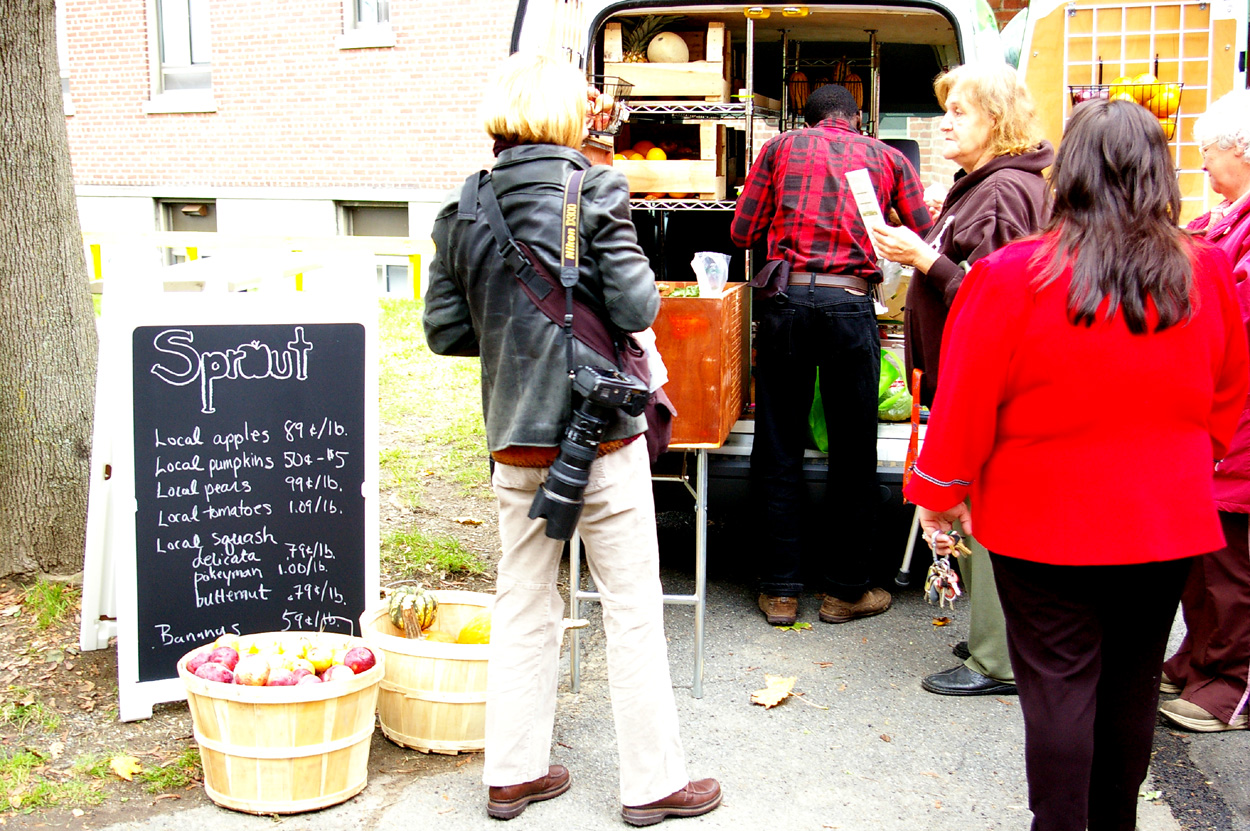
A few weeks ago I went to the rolling out party of the CDCG’s newest baby. A smaller version of the Veggie Mobile–called Sprout–was ready to take to the streets to expand their service area. As I was on the highway heading to the event, a big McDonald’s truck got ahead of me as it sped in from the on-ramp. As I wrote about in Morose Meals and Human Bites, McDonald’s tries to get my goat–so I knew this was no ironic coincidence. The back panel of the truck pictured a giant-sized box of french fries, with the words NO PASSING. Don’t they think they’re clever with their subliminal messaging? However, I know what those starchy sticks are made of. Potatoes, vegetable oil, canola oil, hydrogenated soybean oil, natural beef flavor made from wheat and milk derivatives, citric acid, dextrose, sodium acid, pyrophosphate, and salt will not seduce me. Neither will the canola oil, corn oil, soybean oil, hydrogenated soybean oil, with TBHQ, citric acid and dimethylpolysiloxane that they are cooked in. Immune to their tactics, I switched lanes, put the pedal to the metal and passed that truck right by.

As I arrived at little Sprout’s press conference, I got all choked up. There it was–the art and poetry. It was the most beautiful and colorful canvas. Bright greens, reds, oranges, and yellows were everywhere from the painting on the truck to the gorgeous apples, yams, bananas, squash and collards that filled it. County Supervisors and other local politicians were there to welcome this new addition to the fleet, stating that only 44% of people in this city had access to healthy food. Sprout’s efforts would help to increase that number. How wonderful is that? So, take that you big giant McDonald’s truck. You are no match to this little mighty David.

photo by Jennifer O’Conner

After the speeches were over, local residents who were present began to shop. I took an apple that was being offered and grabbed a big juicy bite. Here, a few blocks from the very Hudson River that had informed the palette of a whole school of artists, was a veritable Garden of Eden–in a backstreet parking lot. This is where nutrition leaves science behind and becomes a thing of true beauty.

Two other projects have recently come to my attention which also remind me of the color of nourishment. One is the work of Gina Keatley, a chef and nutritionist, who witnessing malnutrition in East Harlem, founded a non-profit called Nourishing NYC.

The other is a fascinating documentary called Urban Roots, by filmmaker Mark McInnis about Detroit’s urban agricultural movement. It captures a grass-roots revolution in its truest sense that is impacting the access to food and hence the nutritional status of a largely disenfranchised population in a post-industrial era.

Please check out all of these groups and their work. I am sure donations would be welcomed.

So, in celebration of our harvest feast, rich with the hues of autumn, I give thanks to all who grow and help bring food to the table–for there lie the most important nutritional lessons of all. And, deep gratitude to my readers, Haiku poets, friends and family. Inspired by you, I strive to bring creativity and love to my own purpose.

Happy Thanksgiving.

In health, Elyn

my plate

My Plate Haiku

Food is medicine

Farmers are doctors, Cooks priests

Eat, pray, eat, pray, love.

by Gordon

dear you, the readers

It has been one year since I first birthed my blog.  One intention, many fears, countless hours and fifty posts.

Having mothered my blog through its infancy, I now must ponder its future as a toddler-staged blog which I call a blogger. My little bloggler is learning to stand on its own and is getting fed some nice comments and words of support. But, mothering a bloggler raises new developmental issues and it is important to have a philosophy of care. Sometimes, one must look for support and feedback from others in order to persevere.

Honest Tea Cap

Honest Tea cap

So, my dear subscribers and readers, as the days grow shorter and as those of us up here in the northern climes prepare to go inward and grow pensive, I ask you for a moment of your time in the form of a click on the “like” box, a few words in the “comment” box, a share of a post, a decision to subscribe or to follow me on Twitter, a submission of a haiku, or a message in an email to let me know what you think.

Are my writings of interest, is there a resonance in the stories, is my exploration of the experiences of real eaters meaningful for you? Are my musings too long or convoluted in their message; do they not offer the hands-on suggestions and answers that we so often seek in this vast landscape, or, are they, as my brother recently told me, intriguing but rather depressing? And if they are, might they also be, as I hope, a bit funny.

Are there topics you would like me to address more, was I remiss in not discussing National Food Daylike Michael Pollan did, should I post more photos of my cat Chico? Have I not discussed menopause enough– which really, I still plan to do?  Am I too cutesy or not cutesy enough? Would you care to know that today I ate a nice nori roll for lunch and that I tried a new flavor of Honest Tea that I really liked called Heavenly Lemon Tulsi–tulsi being another name for Holy Basil which you should really check out? And, while sitting outside on this unusually warm November day, I ventured some deep gulps of the mineral spring waters that flow freely from the fountains that immortalize my nearby town? Would it be good if I included some recipes like many other food bloggers do? Should I change my template or alter the background color? Am I too pink or does my cynicism tinge the blog a light shade of tan?

Should it matter to you that this week I worked with a 41-year-old woman who weighed 78 pounds? And, then, immediately following, a 39-year-old woman who weighed 310 pounds? That a woman at my daughter’s crew event told me that getting her house ready for the real estate agent to show was so stressful, that she needed three scoops of ice cream at Friendly’s? That yesterday, a nine-year-old told me that she feels different from everyone else, and trying on clothes that say Plus Size in the store is very embarrassing? That next week I will see a two-year-old who weighs 65 pounds? Or, that a mere few hours ago, a beautiful 18-year-old college student shared with me that being thinner than 100 pounds would make her less ugly than she already is and that she has never loved her body?

It has been a number of years now since I ended my subscription to Mothering Magazine and I am certainly feeling a little lost without it. So, any input, advice or inspiration would be greatly appreciated. Gotta run. Time to put the little bloggler to bed.

Thank you for listening, sharing, following and supporting my writing. Please subscribe in the sidebar to receive notice of new posts. Comments and greetings always welcome.

In health, Elyn

my plate

My Plate Haiku

Grasses, grain, fruit, wine

Garden flowers produce joy

Kitchen flours bread.

By Gordon

the nightmare before halloween

It has been one year almost to the date that I first began my blog. Just as I was ready to celebrate having come full circle, I realized that there was one more event in the liturgical feeding cycle to attend to in order to truly do so. Halloween.

Halloween is this nutritionist’s nightmare. It makes all my dilemmas go screaming wildly around in the scary darkness like a gathering of roaming ghosts. Starting in mid-October, I began to see discussion of these hair-raising topics appear in various articles. Some people were writing about Halloween as a sanctified binge-eating holiday. Commentary ensued on memories of guilt-encompassed candy hoarding and gorging. Then guilt- minimizing strategies were presented–instructions were offered on how to partake but not overdo; and, suggestions were given on organic, high cacao content, lower sugar, chocolate alternatives.

Then, there was the issue of the politics of chocolate–the problems of impoverished cocoa farmers, environmental degradation and the use of forced child labor on cocoa farms. With one-quarter of all candy sold annually in the US being purchased for Halloween–this is no small matter. EqualExchange, the producers of organic, fairly-traded chocolate products, sponsors a Reverse Trick or Treating Program. Trick-or-Treaters give a piece of Fair Trade chocolate attached to an informational card as a mass action to educate the public about this.

Finally, the childhood obesity issue surfaced as well. I learned of a dad from Georgia, David Soleil, whose activism was inspired by being fed up witnessing too many Halloweens–overweight parents driving cars around his neighborhood unloading their children at intervals to gather the loot; pillowcases loaded 3/4 full with candy and the endorsement of multiple pre-Halloween events. He launched a response with a movement called Healthy Halloween House where people pledge to provide a healthy trick or treat alternative. I love his slogan–“Eat the pumpkin and let the candy rot on the porch.”

So, with my own inner pillowcase filled to the brim, I informed my daughter Zena–as I do every year–that for the holiday we would be distributing some Skarrots (baby carrots packaged in fun inducing wrappers) and pencils–and that she would be doing reverse trick or treating. In her kind, gentle way she asked me to sit down. She assured me lovingly, that every other day of the year I do my part to encourage healthy eating and I have spared many children many pounds of sugar–but, she does not want to be one of those “weird” houses on the T&T trail. And then, she asked me if I have forgotten where we live.

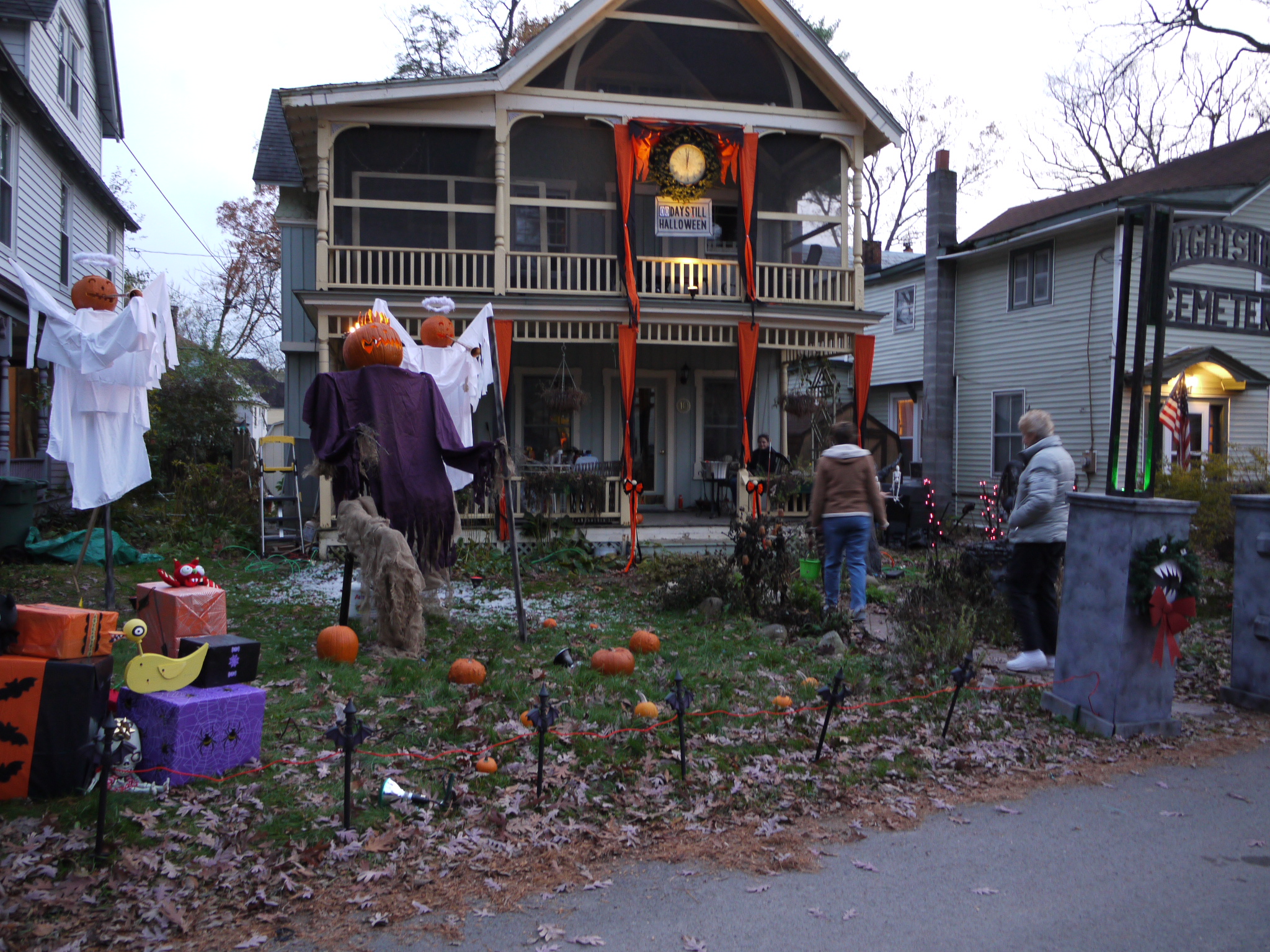
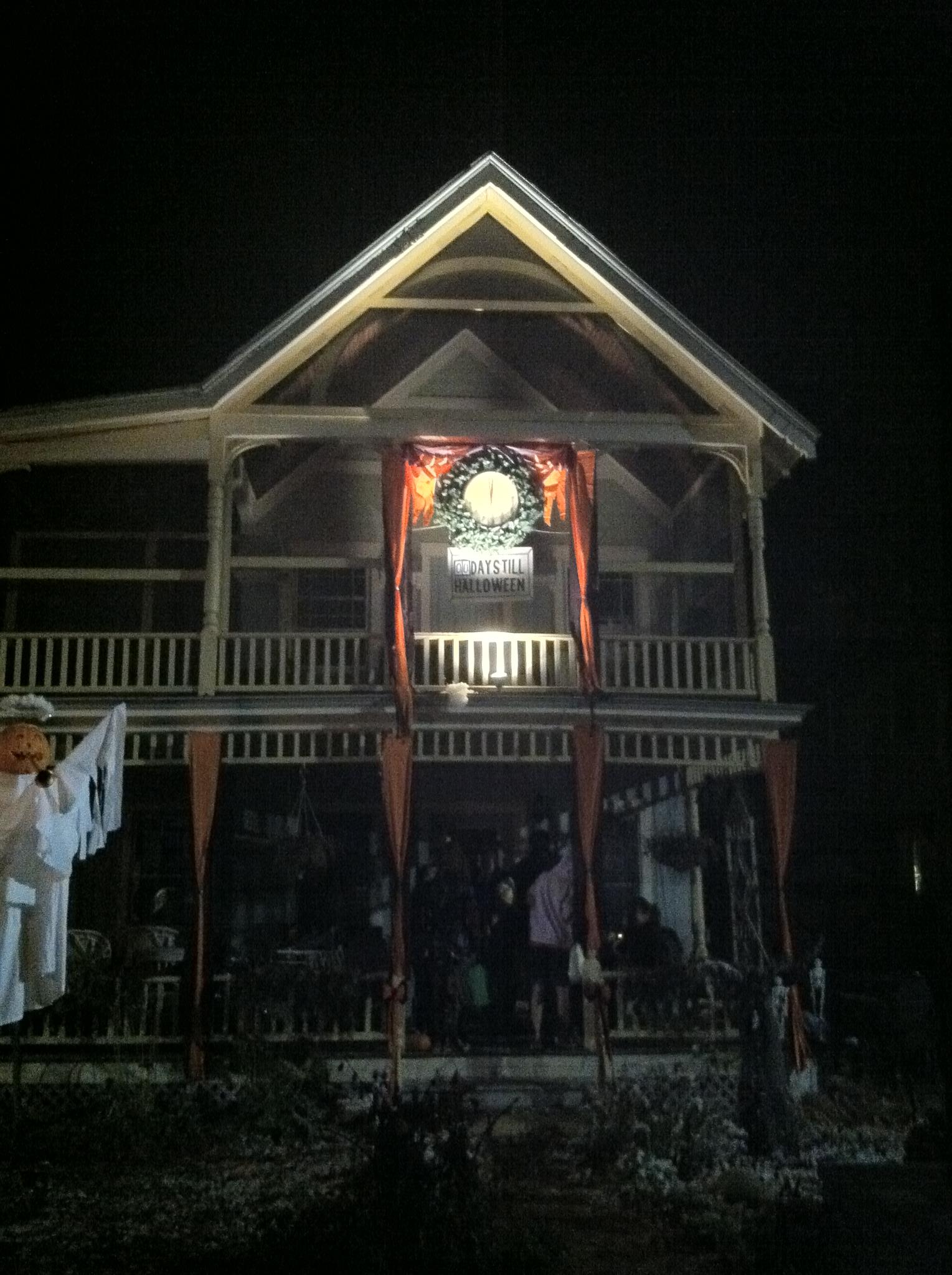
We live in an old Victorian village of the type that inspires the imaginations of people like Tim Burton. It is truly the epicenter of Halloween. Houses are old enough to provide residence to a few generations of real ghosts, tiny streets with closely packed houses draw hundreds of trick or treaters from miles around–and our next-door neighbors are deranged, wonderful folk who do things like this and this (video).

Their preparations are usually quite furtive, though they say things to me like, “Did we tell you we got a snowmaking machine?”, or ask, “Do you have a fire extinguisher? Good.”

So, heeding Zena’s words, and not even knowing where to buy hundreds of bags of Scarrots; and not convinced kids would really use the cutesy pencils that trees gave their lives for, I backed down. Still, I knew I personally would not be able to buy the drugs–I mean candy–nor distribute it. In cowardly fashion, I assign the purchasing to my husband, Pete or to the friends I invite for the festivity of the evening; and the distribution to whatever available child or visiting foreign exchange student I can find.

Figuring out the amount we need requires a complicated quadratic equation and often we have miscalculated. This means that we have to indenture our own children and recycle the booty they have worked hard for, or we have to run upstairs and hide in the dark, pretending we are not home.

Halloween evening was perfect this year. The weather was gentle with only a touch of autumn’s crisp bite in the air. At the witching hour, all the creatively-costumed children emerged from their homes and took immediately to their task. As we were simultaneously welcoming friends, warming the cider, finishing the pumpkins, adjusting costumes and oohing and aahing at the little munchkins crowding the porch–we realized we were going to be in trouble early.

As I was frantically emptying the bags into the cauldron, trying to appease the munchkins turned monsters now knocking down the door, one of my guests said that the contents of candy bags had gotten smaller. He was right and this was seriously offsetting the math. Later, with the cauldron barren, we found ourselves sitting with the lights out–considering giving away some of our tchotchkes, artwork, cats and used pencils.

Early in the evening, a Jedi knight informed Pete that he required two offerings. His headless horseman friend explained that he was making up for last year. Amused, Pete was about to challenge this request, but the Little Red Ridinghood mother bared her big teeth, said he was in the hospital then and snatched a candy for herself. Next year we may ask for discharge papers or a gnawed off wrist band.

So, once again, we gaped at our neighbors’ amazing creation– which draws hordes of happy revelers–spun through the few hours of insane madness, walked the streets with our friends–and it all eventually quieted down. We were reverse trick or treated, and there was actually some healthy and adorable popcorn to be found.

At the end of the night, I removed my Bob Cratchet ba-humbug costume, enjoyed a Reese’s Peanut Butter Cup or few and imagined that everyone will be needing a nutritionist come morning’s tolling of the bells.

What does Halloween bring up for you?

Thank you for listening, sharing, following and supporting my writing. Please subscribe in the sidebar to receive notice of new posts. Comments and greetings always welcome.

In health, Elyn

Related Posts: Post Halloween Post; The Eye of the Newt; So, How Did It Go?

Related Recipe: Pumpkin Muffins by Cookie+Kate


Halloween My Plate


My Plate Haiku

Eat the Pumpkin

Let the candy rot on the porch.

by the guy in Georgia