Archives

Instanutrition

I scurried around the kitchen. There was dinner to be made. I peeled, chopped, sauteed and simmered. I sweated as the hot summer air mingled with the heat from the stove. I held an icy glass of water against my cheek. I ran the compost out back. I let the cat out. I let the cat in.

IMG_0904

Lifeseedlings Posting

My daughter sat calm and cool at the table. She asked me a few questions. She danced her fingers around a little. She called me over to look at some things. Way sooner than the time it took for the meal to be ready and without barely moving a muscle, she created a new portal into the universe for me–by opening an Instagram account for The Nutritionist’s Dilemma. She turned the first MyPlate Haikus into little lovely portraits. She chose nice hashtags and linked this to that. She set the table. She let the cat out.

I am excited about my new Instagram account. There, I hope to highlight the little morsels of collective poetic wisdom that illuminate the experiences of self-nourishment that many have contributed to my blog along with other pearls that I have gathered along the way. The concept is to cobble together a creative and meaningful expression of how feeding ourselves may look and feel. It is a conceptual revisioning of the dietary constructs of the USDA MyPlate model of nutrition. (These messages can also be seen at the bottom of the blog’s sidebar.)

New My Plate Haikus or any other poetic expressions and My Plate Plates are always welcome and will be necessary for me to hold my space in this new environment. For general instructions and examples, please see Accepting Haikus. We will see how this goes. It could be fun.

I’d also like to highlight some of the ongoing work of Michelle Obama to brighten the futures of the nation’s children through nutrition and health initiatives. For the past four years, the First Lady has sponsored a rather competitive Children’s Healthy Lunchtime Challenge Cooking Contest. Winners are chosen from each state and U.S. Territory and are treated to a Kids’ “State Dinner’ at the White House. This year’s event was held a few weeks ago and (spoiler alert) included a surprise guest. The impressive recipes of these culinary kids are also compiled in the Epicurious Healthy Lunchtime Challenge Cookbook. Maybe a child you know can participate.

The Kids’ State Dinner gathering also provided a platform for the First Lady to announce her new anti-big food advertising campaign, FNV Prepare to Be Marketed To which employs the efforts of celebrities and famous athletes to redirect their messaging power toward healthy eating. Coincidentally, this is what I wrote about in my last post, Spring Cleaning, and the NBA Finals.

I am off to start following Michelle on Instagram. And who knows, maybe she might follow me. And you can follow me on Instagram @lifeseedlings, and on Twitter @lifeseedsnutrit.

Thank you for listening, sharing, following and supporting my writing. Please subscribe in the sidebar to receive notice of new posts. Comments and greetings always welcome.

In health, Elyn

(Update 2017: Jason Brown of First Fruits Farm was the highest-paid Center in NFL history, but he walked away from a 35 million dollar contract with the St. Louis Rams to grow food for others.)

(Update 2020: Today, as I reviewed this post, the world learned of the tragic loss of basketball legend Kobe Bryant. To honor his spirit, his fatherhood, how he inspired others, his dietary consciousness, and how he used his celebrity, it is quite apt that I just found this article Kobe wrote for Michelle Obama’s Let’s Move blog on Five Healthy Habits.)

20150614_173007 (1)


My Plate Haiku

Did you really think

That you could hide fish in rice?

Oh, the green paste burns! by Francesco\

by A Cat

(from I Could Pee on This and other poems by cats collected by Francesco Marciuliano)

reporting from the rim of the sinkhole

A few months ago, at about 4 PM, Pete sent me an email saying something about soul food. I was rushing to end my day so I overlooked the attachment that would have filled me in on the details and why he thought this might be of interest to me. I dismissed the message quickly.

That evening though, as fate would have it, I got another message on my email informing me that I had a new follower on Twitter. This was big news given that it is a rare occurrence. As Pete assures me that I am right behind Lady Gaga in terms of followers, I must assume that she might have like twenty-eight. So, I decided to check out my ignored little bird account and see who my new follower might be.

Once there, I stumbled upon a flurry of activity on the feed from someone I follow–chef and food activist Bryant Terry, author of Vegan Soul Kitchen and Urban Grub. The excited conversation was about a PBS documentary Soul Food Junkies which was apparently being aired right then. The praise was pouring in for this film by Byron Hurt, about his exploration of the historical and cultural roots of soul food cuisine and its relationship to the current health crisis with its impact on the African-American community.

Image result for soul food junkies

A documentary by Byron Hurt

Ah, now I got it. I ran upstairs to the TV room and grappled with the remote. Attempting to master its controls, I pushed that channel button frantically. I must mention that I have about as limited a relationship with the television as I do with my Twitter account–and relying on an old antenna like apparatus, have access to about seven channels. Still, I knew I did get PBS. Round and round I cycled through those seven channels, three PBS stations and still could not find the show I was looking for.

Instead, what I found was a program about a guinea worm eradication program sponsored by Jimmy Carter’s Carter Center in Africa. It was rather fascinating though quite gruesome to watch. Apparently, water-borne guinea worm disease which has plagued a wide swath of Africa and Asia for thousands of years is poised to be eradicated. In 1986 when the Carter Center began its campaign with the partner countries, there were an estimated 3.5 million cases in 21 countries. By 2012 there were 542 cases left in just four African countries.

Guinea worm disease is contracted from drinking unclean water contaminated with larvae that once inside the human abdomen grow into worms up to three feet long. These worms eventually emerge from the body through excruciatingly painful blisters on the skin. I guardedly watched as health workers painstakingly exorcised these worms from the legs of screaming children and stoic adults, wrapping the worms around little sticks that were slowly turned. One worm, one person at a time. The success of this amazing eradication program has been due to water treatment and filtration programs and community education at a very grass-roots level.

A few days later I was able to watch Soul Food Junkies on pbs.org. It is an excellent film and I have been talking it up with a lot of my clients–and others as well. Many of my clients are African-American and my daily consults revolve around discussing this interface between food as cultural identity and health. Soul food is not the only problem area. Many cultural cuisines that have sustained people for millennia are causing problems in the context of our modern existence. This is due to various reasons including agricultural alterations in the actual foodstuffs that form the basis of these cuisines, more processed versions of these dietary staples being substituted for the real foods, traditional diets being padded with the excess of sugars, concentrated carbohydrates and other addictive substances that infiltrate our beings and a massive increase in sedentary lifestyles and stress. The vulnerable communities that are more exposed to poverty and its attendant health disparities are experiencing greater discord between their food and their health.

This is multi-layered stuff that claws at the core of who we are as eaters and which reveals how deeply connected we are to our heritage. Food is clearly not just an extrinsic matter. It communicates intimately with our cellular makeup. And, it is a heavenly sacrament. I remember as a child listening to my mother and my aunties trying to sever the relationship between my hypertensive grandfather and the heavily salt-cured foods of his Russian roots. Little did I know I would one day be standing between an African-American man and his beloved fried chicken or an Asian woman and her dear little grains of rice.

But yes, there I am. Standing tall at five feet one, holding firm with my big professional tweezers before every diabetic who sits in my office. With exact precision, I try to extract each granule of sugar that has gone rogue in the bloodstream, wreaking havoc on the body–sort of like a guinea worm. Just as guinea worm disease takes hold in unsuspecting individuals so does diabetes. Persons consuming available foods for the purpose of sustaining survival and attaining some pleasure, awaken one day to learn that they are infested with massive globs of excess glucose.

I have been doing this work for a long time and I can tell you that the diabetic epidemic is getting worse. My daily roster is full of newly diagnosed cases of diabetes. This morning I woke up to some crazy NPR story about the woes of candy makers due to the relatively high price of sugar–the price regulated by the Farm Bill. Apparently, the makers of Dum Dum lollipops require 100,000 pounds of sugar for the daily manufacture of ten million Dum Dums–and they are having a hard time affording it. Can those numbers be for real? Well, please don’t tell Dum Dum that I have some sugar stockpiled in my office–mounds of the stuff that I have removed from my clients. I know they will just try to recycle it right back into the very folk I took it from.

Diabetes might not seem to be as bad as guinea worm–but one can actually make many metaphorical if not actual comparisons. Diabetes leaves many physical and emotional scars. My clients look at me through eyes that plead to spare them from this scary disease–that comes complete with implements that stab and jab and symptoms that pain and worry–depleting the soul. I scurry furiously to help pull them out of the sinkhole of this very complicated condition. If a disease caused by a swarm of microscopic larvae can be eradicated from the planet, it is hard to believe we can’t do better to minimize the incidence or increase the reversal of diabetes. The methods employed essentially would seem to be the same–access to ‘clean’ food, governmental responsibility, respect for human dignity, caring, education, and cultural adaptation.

And so, that is why the work of Bryant Terry and the film of Byron Hurt are so important–and why folk should watch Soul Food Junkies and align it with their own food foundation. Time is of the essence and Jimmy Carter deserves a rest.

Thank you for reading, really. As always, thoughts, tweezers, and twitter followers welcomed.

In health, Elyn

Related Recipe: Bryant Terry’s Citrus Collard Greens with Raisins Redux

(Update February 2020: Bryant Terry has just published a gorgeous cookbook, Vegetable Kingdom: The Abundant World of Vegan Recipes. From the Introduction: Vegetable Kingdom is inspired by my daughters, Mila and Zenzi. They have blessed this book like my ancestors blessed meals, by humbling me to that which is greater than myself.)

(Update June 2020: Bryant Terry prefers that his book(s) be purchased from independently-owned bookstores (check indiebound.org & bookshop.org) and ideally, from Black-owned bookstores like: @marcus.books@esowonbooks@peoplegetreadybooks, and @unclebobbies.)

(Update February 2021: Check out Byron Hurt’s continuing efforts @byronhurt and support completion of his new film, Hazing.)

shutterstock_275107754

Bryant’s My Plate

My Plate Haiku

This isn’t steroids

It’s Collard Greens.

from Ballin’ at the Graveyard (Documentary on an Albany, NY neighborhood basketball game)

“It includes the authentic voices of men working to do what’s right—for themselves, their families, and for the larger community. If you want to better understand our City’s character and come away feeling good about it, this film is a must-see.” Albany Mayor Kathy Sheehan

six calories of separation

I am related to Fay Wray. Yes, the actress well-known for her theatrical screams, who portrayed Ann Darrow in the original King Kong film. More dramatically, though inadvertently, she was “the beauty who killed the beast”. I guess lots of ordinary people have some connection to famous ones–but mine is pretty crazy, right? When Fay Wray died in 2004 at the age of 96, the lights of the Empire State Building were extinguished for fifteen minutes in her honor.download

The story is even a little more interesting. Cousin Fay was born in Canada to a Mormon family who eventually moved to Hollywood. She attended high school there and entered the film industry at a young age. Though most famous for her role in King Kong, she had many film and TV roles in her long career. It was in Hollywood that she met and married my grandfather’s cousin, Robert Riskin. Well, I know you are probably wondering if my connection by marriage counts–but Robert Riskin has a celebrated history as well. He was a prolific playwright and screenwriter–an Academy Award winner best known for his work with the director Frank Capra on films such as It Happened One Night, You Can’t Take it With You and Mr. Deeds Goes to Town.

So, while they led very glamorous Hollywood lives, the bulk of my relatives lingered in New York. Though many of them possessed various artistic talents, my celebrity relations remained thus limited. Nonetheless, though I live in a tiny circumscribed world, I am tickled by the notion of brushes with fame. My shortlist includes that of being picked up while hitchhiking in Big Sur by Carl Reiner and his wife Estelle, and of providing nutritional services to Tommy Lee Jones, Tom Brokaw, Peter Martins, and Bill Bradley during my various stints as a waitress. I actually had a little tiff with Mr. Bradley about a diet soda–he shouldn’t have been drinking the stuff anyway.

And, then there are my amazing nutrition connections. I have mentioned before in various posts that not only do I know Mark Hyman–I lived with him during college; I had breakfast with Marc David; I am pretty positive that I grew up in the same town as Michael Pollan–so that is association by geography; and I did clearly imagine seeing Mark Bittman in Brooklyn one day.

So, already sitting on a pretty full nest of impressive–though perhaps exaggerated–VIPs for a small village girl, imagine my surprise when this happened. A few weeks back, my inbox began to flood with feed from my professional and personal networks about a new book called Salt Sugar Fat: How the Food Giants Hooked Us. Everywhere I turned, I was seeing or hearing about this new exposé of the food industry. My first reaction was to file this for later. But, then something caught my eye– in the tiny print of the text that appeared on my screen. The author was Pulitzer Prize-winning investigative journalist Michael Moss. It took one quick message to my college and journalist friend Ellen to confirm my suspicion. This was not just any old Mike, Mark or Tom–but another very real connection.

Ellen dated Michael many years ago and I knew him through her. Back then, Michael was assigned to cover the New York State Legislature in Albany where he knew no one–except me, Pete–and baby Morgan. So Michael hung out–and ate–with us. At that time he was finishing his first book, Palace Coup: The Inside Story of Harry and Leona Helmsley of which I have an autographed copy–made out to the three of us.

Though we have been long out of touch, I was aware that he was a well-regarded journalist. He had won the Pulitzer in 2009 for his investigation of an E-coli outbreak. So, I was not at all shocked to see that he had written another book. Instead, I found it remarkable that someone I knew was bringing big attention to a matter so near and dear to my own work. The news about the book now seemed more close than far. Eager to get my hands on an excerpt the day it ran in the New York Times, I grabbed the magazine section from my brother-in-law before he even finished his beloved puzzle page.

In the weeks that have ensued since the book was published, Michael Moss has been very busy on the circuit with very public appearances including the Daily Show. Its been nice to see him again. His book unveils how many processed food items are insidiously designed to ensnare its consumers. It adds to the stomach-turning information revealed by the likes of Eric Schlosser in Fast Food Nation, David Kessler in The End of Overeating, and Greg Critser in Fat Land and discussed by people like–me.

However, what Michael has achieved is to put faces and names to the industry. He got inside and he obtained admissions from those who were controlling the direction and deception of the products–that what they were doing was bad. The depth of the collusion is always chilling to encounter, no matter how many times one learns of it–and for many, this will be new. He writes, “It’s telling that many of the wealthy food executives I spoke to about their products wouldn’t dream of eating the stuff themselves.” How he managed to obtain hidden documents and how deeply he infiltrated, speaks to his highly tuned investigative acumen.

So, here I am again, giddy that I actually know someone else who is poised to affect the societal metabolism. I am not sure how heavy his final indictment was–but he has certainly added to the conversation. Stuff like this makes me want to scream one really huge Fay Wray scream. Believe me–I have it in me–even if it is just by marriage.

Please continue to join me in the collective noise-making about food justice and reclaiming a path toward real food and societal health. Take a peek at the Turn the Tide Foundation. Watch the film, Hungry for Change. Drop me a line, say hi, and share your thoughts. When you are famous I will be so glad to say I know you too–though I am thrilled to know you anyway, right now.

Thank you for listening, sharing, following and supporting my writing. Please subscribe in the sidebar to receive notice of new posts. Comments and greetings always welcome.

In health, Elyn

Related Posts: Reporting from the Rim of the Sinkhole; The Dance of Diabetes; Have It Your Way at Red Chinese Sorghum Mutton Noodle; Three Good Mark(s)

(Update 2020: Did you know that General Mill’s and Hershey are sleeping together and begat Jolly Rancher Cereal which hit the shelves just in late December 2019? AAAAAAGH!)

(Update 2021: New book releases: Fast Carbs, Slow Carbs: The Simple Truth About Food, Weight and Disease by Dr. David Kessler; Hooked: Free Will and How the Food Giants Exploit Our Addictions by Michael Moss; and, Animal, Vegetable, Junk: A History of Food from Sustainable to Suicidal by Mark Bittman.)

My Plate Haiku

Smooth peanut butter

Spread on a peeled banana

Snack time perfection.

by Gretchen

the humanist imperative to nourish and care for our children accordingly

Wednesday morning, upon logging in, I was greeted by the juxtaposition of the following subject line messages in my inbox:

Race to Fight Childhood Obesity from the Alliance for a Healthier Generation;

Censored: Michelle Obama‘s Biggest Mistake from Ragen Chastain’s blog Dances with Fat; and,

Lock-In Drill from my daughter’s high school.

Where shall I start? To begin with, on Wednesdays, I am not at the Health Center, and on that particular morning, my private client needed to reschedule. So, though I receive an onslaught of topic-related information constantly, I had on that day more time than usual to slowly digest these matters that are so relevant to what I do.

receiving the 2008 Humanitarian Award from the...

Frances Moore Lappe receiving the 2008 Humanitarian Award from the James Beard Foundation (Photo credit: Wikipedia)

Ragen’s offering attracted my attention first. I have referenced her work previously. She is a committed activist and a powerful voice in distinguishing the difference between health and weight issues, preventing fat-shaming, and, shining light on the lies and manipulations of the weight loss industry. I can always count on her to keep me informed of something meaningful. Here, I learned that Michelle Obama was planning to go on the show The Biggest Loser to thank the contestants for being role models. Ragen’s reaction was quite pointed and the story of what happened when she and filmmaker Darryl Roberts (America the Beautiful) tried to field a response to the media is quite interesting. However, it was this comment that contributed to the theme of my day.

The worst thing is that all this focus on the weight of individuals is distracting us from the systemic issue of lack of access. Many people do not have access to the healthy foods that they would choose to eat–including foods that are not genetically modified or full of hormones or government-subsidized high fructose corn syrup. Many people do not have access to safe movement options that they enjoy, or to affordable evidence-based health care. But as long as we focus on little Johnny’s BMI, we don’t have to address the real problems here and we can just keep shaming and blaming fat kids and adults and misinforming them and everyone else about the odds of becoming permanently thin.

I strongly share these sentiments and it took only a few clicks on the Alliance for a Healthier Generation’s website to confirm this dismissal of the larger issues. The articles in their In the News column included, Schools Find Active Kids Make Smarter Students and Virginia Legislation Calls for School PE Guidelines. Both are sad statements about the current state of affairs on such seemingly obvious matters. I applaud the work of the Alliance which I have discussed before in Diet for a Small Caterpillar, but I am often sad to see their amazing talents and resources going toward efforts to repair an intuitive intelligence that was broken by bad policymaking and vested interests disenfranchising the well-being of our citizens.

I also have a visceral reaction to the term the fight against childhood obesity. Obesity is not the only consequence our children are suffering–it is just one of the manifestations of poor nutrition and the ignoring of all the ingredients that contribute to both physical and emotional well-being in the early stages of development. If this were only about obesity, my daughter would not have had to, unfortunately, participate in a lock-in drill. Furthermore, fierce language is not what is needed even when details may make us wish to brandish our childhood obesity-fighting swords.

Thankfully, on that Wednesday morning, I was also fortunate to hear a really beautiful interview with Frances Moore Lappe, who has certainly had a strong influence on my own path. I will leave you with her words.

We don’t have a shortage of food, we have a shortage of justice. As we shift to focus on our relationships with each other, and with the earth, as we align our lives and our economy with what is true about our nature and is harmonious with the wellbeing of nature, we find answers to so many of the questions we face today. Hope is not what we find in evidence, it’s what we become in action.

So, I hope the connections make some sense and perhaps my title of this piece suggests such a shift of intention toward the task at hand.

Thank you for listening, sharing, following and supporting my writing. Please subscribe in the sidebar to receive notice of new posts. Comments and greetings always welcome.

In health, Elyn

Related Posts: Childhood Awareness Month Obesity; A Bushel and a Peck of Ways to Address Childhood Obesity; Nutritional Violins

earth-11015_1280

Earth’s My Plate

My Plate Haiku

Are we what we eat

Or do we eat what we are

Are they the same thing?  by Julie

haiku for you

eggs of many colors

Different Colored Eggs  Image by woodleywonderworks via Flickr

I just had a new culinary experience. Recently, I was able to escape for the weekend to the beach. After a few hours’ drive with more than a touch of slow-moving traffic, my sister-in-law Eva and I arrived in the lovely coastal town of Newburyport, Massachusetts just in time for dinner.

While stuck in traffic we tried to think about where we would eat, but once there we just decided to see where our feet and stomachs would lead us. We found ourselves in Loretta, a small, cozy restaurant in the center of town with an interesting menu. Actually, each dish we shared presented something unusual and delicious, but it was the grilled romaine salad that surprised and delighted me.

I do live a rather small, parochial life, but I’d be interested to know if anyone else has ever had a grilled romaine salad. Fortunately, we were sharing, because most of a full head of romaine lettuce, each leaf brushed in olive oil and grilled whole, arrived before us, draped in a creamy and chunky blue cheese dressing, and adorned with some pickled beets and cherry tomatoes. The grilling of the lettuce lent a delicate smokiness and crispness to each bite that was wonderful. That salad was deserving of a Haiku, which is what I initially sat down to write about.

As you may recall, in my last post, Dietary Haiku, I put out a request for such. I am so pleased to report, that I received four. Now, that may not sound that impressive but they are each so beautiful, and I want to share them with you in hopes that you will see, as I have, that I think I am onto something. I hope you will now be really inspired to compose your own and to send it my way.

In response to the mundane display of the USDA MyPyramid–really just a triangle if you ask me–and now supposedly, The Plate, guiding our dietary intake, I have decided to place one of these Dietary Haiku on each of my future posts. I think you will agree that they are more inspirational and joyful. Soon then, I imagine that this little idea will spread (and go viral) and we will have created a more meaningful message and conversation about food and eating that started right here.

I was discussing this idea with my daughter and her friend at the dinner table tonight, and they raised some good questions. Jonathan wanted to know if the themes had to be positive or could they be negative–like a 5-7-5 syllable format ending with that is so yukky! I said I would encourage everyone to keep the message affirming. Zena wanted to know how we would market or copyright this idea so that we might get rich because someone else was likely to come along and start promoting Dietary Limericks. I didn’t have an answer to that, but if you do, can you please send it to me in lieu of or in addition to your haiku, limerick or another poetic expression of dietary inspiration. Submissions can be placed in the comment section.

So, here are these beautiful poems in the order I received them, along with one of my own. Thank you to the four of you who got it and shared your little gift with me. I will keep incorporating these and hopefully, this collection will grow. Pl

   Are we what we eat

Or do we eat what we are

     Are they the same thing?     

— Julie

The farmer’s market

Each egg at the dairy stand

A different color

— Enki

Spread peanut butter

On whole grain, sweet, dark brown bread

Raspberry jam-Yum!

— Barbara

Food made joyfully

As a gift of time and self

Feeds body and soul

— Anne Marie

Deep scarlet red beets

Reveal your sweetness to me

Slip out of your skins

                                                                                                — Elyn

Thank you for listening, sharing, following and supporting my writing. Please subscribe in the sidebar to receive notice of new posts. Comments and greetings always welcome.

In health, Elyn

Related Recipe: Grilled Romaine Salad with Blue Cheese

Related Posts: Dietary Haiku, Accepting Haikus

culture clash

A new client arrived at my office. She was an Iraqi woman–a refugee of the war in her country. She had made it to my little corner of the planet by some grace and the help of her three adult sons who she was lucky to still have in her embrace. One of her sons was present with her for the appointment and served as our interpreter.

The woman was about my age, just a year or two older. She was referred to me for high cholesterol–which is a usual raison d’etre for getting put on my schedule. Though there are so many things the human heart can suffer from that may affect our health and hardiness, there are only a few we can measure easily and then neatly deem abnormal. Cholesterol and blood pressure levels are of course the most common. One spin of the sphygmomanometer or a few fatty drops in the blood is the determinant of our health risks. The regulation and control of these resultant measurements become the pressing story, while the real matters of the heart get deeply lost in the sauce.

My client with warm shining eyes beaming at me from under her headscarf had been treated for breast cancer a few years ago while still in Iraq and had not had much follow-up care since her odyssey had begun. She had only been in the United States for a few months. She was dressed in full Muslim garb, ensconced in a lot of fabric. Awkwardly, she adjusted her clothing to reveal to me some loosely wrapped gauze lying limply around her upper arm to contain the swelling of lymphedema. The consult contained fragments of conversation as I tried to piece together some semblance of her health history and her saga of survival.A Picture Of One Of The Doors Of Al-Kadhimiya Mosque, It ...

As I was engaged in my own fact-finding mission, and trying to figure out how I could best assist her in the short time I had, she was gesturing toward me while speaking in Arabic. While I was simultaneously trying to stay very present and yet trying to search for contact numbers of local resources, her son was gently interpreting her words for me. She was apparently commenting on my seemingly well-behaved body that has obediently stayed within the confines of acceptable shape and form. She referred to her own body with shame and regret.

As her meaning crystallized before me, the tears welled behind my eyes. This beautiful woman inhabited a body that manifested the pain of many inflictions. She had traveled half the globe to find a tiny sanctum of political refuge and safety. While living in the midst of unbelievable violence I am sure she lost a lot more besides her girlish figure. How dare she not tend to her weight and diet like I had while my government had torn her country asunder and bombed it to pieces. I beseeched her not to compare and mumbled my apologies while the irony of our human vanities swept over me.

With this turning of the year, as I pray for peace on earth, I will carry her story with me and wish her the very best.

Thank you for listening, sharing, following and supporting my writing. Please subscribe in the sidebar to receive notice of new posts. Comments and greetings always welcome.

To all of you, A  Happy and Healthy New Year.

Photo Credit: Al-Kadhimiya Mosque  rasoulali/123RH.com

In health, Elyn

Bamia: Stewed Meat with Okra

Okra stew served in a bowl

Iraqi MyPlate by Amina hungrypaprikas.com/okra-stew

My Plate Poem

As we walked away from our grandparents’ houses

Away from the places we knew as children, changes of state and state and state

To stumble across a stony desert, or to brave the deep waters

While food and friends, home, a bed

Even a blanket become just memories.

by Neil (Gaiman)

Hello world!

Hi. Wow. I am about to start my blog. Something I would have just kept wondering about how to do for about the next decade or so. Personally, I am still marveling at the invention of the toaster oven, so modern technologies obviously are a little hard for me to adopt. Thankfully, one of my nutrition clients gave me the info I needed to even know where to begin.

IMG_3096

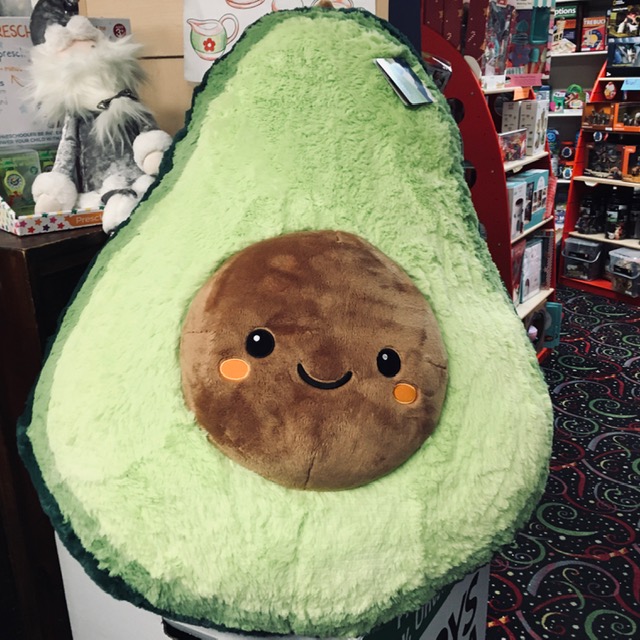
Hello Avocado!

Which brings me to the point of one of the issues I think I want to blog about. That above-mentioned client is gifted and funny and talented in so many ways and I would have remained stranded in a blogless universe without her. However, she and many others like her feel worthless because they are trapped in a body that betrays them. Their sense of themselves is molded as much by how they view themselves as to how they believe others perceive them. Whether medically, societally, or personally defined as fat–eating brings a vicious cycle of fear and loathing and momentary comfort and escape.

When I decided to study and become a nutritionist many years ago, I thought I was going to set out to solve problems of world hunger in remote parts of the globe. At that time, aside from that, the other main venue of applied nutrition was in hospital dietetics or in animal husbandry. Essentially, the MO was that we were all mainly basically nourished–or we were severely not. When I headed out on this path, yes, of course, there were overweight people, but their struggles were private and personal, and eating disorders were barely defined let alone described.

My nutrition work has briefly taken me to severely malnourished communities in Peru and Guatemala, but really, I am embarrassed to say, I have not strayed far from home. Society, politics, technology, media and an increasing focus on our individual selves changed the domestic landscape regarding nutrition. The issues intensified and the communal conversation amplified. My jobs kept me on the home front. I had no idea nutrition would become such a huge topic.

We all know how much nutrition information there is out there. New initiatives are good as we struggle to fix the ills that have befallen us in the past few decades. We are now attended to with myriad messages to eat right. I have sat in witness to this frenzy. While it has played out, I have been privileged to have worked with so many individuals and have heard their stories of frustration, pain, confusion, and guilt. What is obvious to me, is that we suffer mainly from being merely human.

The stories I want to relate will hopefully give voice to this humbling human experience regarding eating. I want to give my client who helped me get this started, along with others, tools and understandings that do not necessitate flagellation and deprivation. My wish is to assuage some of the loathing and to soften the edges of this intense dialogue. We will see.

Thank you for listening, sharing, following and supporting my writing. Please subscribe in the sidebar to receive notice of new posts. Comments and greetings always welcome.

In health, Elyn